10 min read
Selling a property on the Costa del Sol
Selling well on the Costa del Sol is not listing and waiting. It is setting a price the market can defend, presenting the property as the asset it is, and reaching the buyers who will actually pay for it. Here is how we approach a sale, technically and on the market.

Carlos
Architect and Founder, DIEZ
Price is the strategy, not the wish
On the Costa del Sol, the first three weeks of a listing are the ones that matter. A property priced where the market can defend it attracts the serious buyers who have seen everything else and recognise value. A property priced on hope sits, then discounts in public, and the discounts read as a problem rather than an opportunity.
We set the price the way a buyer's advisor reads it, because that is who sits across the table. We look at what genuinely comparable properties achieved, not what they asked, and we account for the things that move the number more than the postcode: the plot, the view, the orientation, and the real condition of the build.
An aspirational price does not test the market. It keeps you out of it.
Read the building before you list it
Before a property goes out, we read it the same way we read a home for a buyer: where the light falls, how the rooms are laid out, the quality of what was built, and what a renovation would realistically cost. That reading tells us what to fix, what to leave, and what to put at the centre of the story.
Small, well-chosen technical work often returns more than its cost: a failing terrace waterproofing resolved, a tired kitchen brought current, a dark room opened to the light it was missing. A buyer's advisor will find these things anyway. It is far better that you found them first, on your terms.
Presentation moves the price
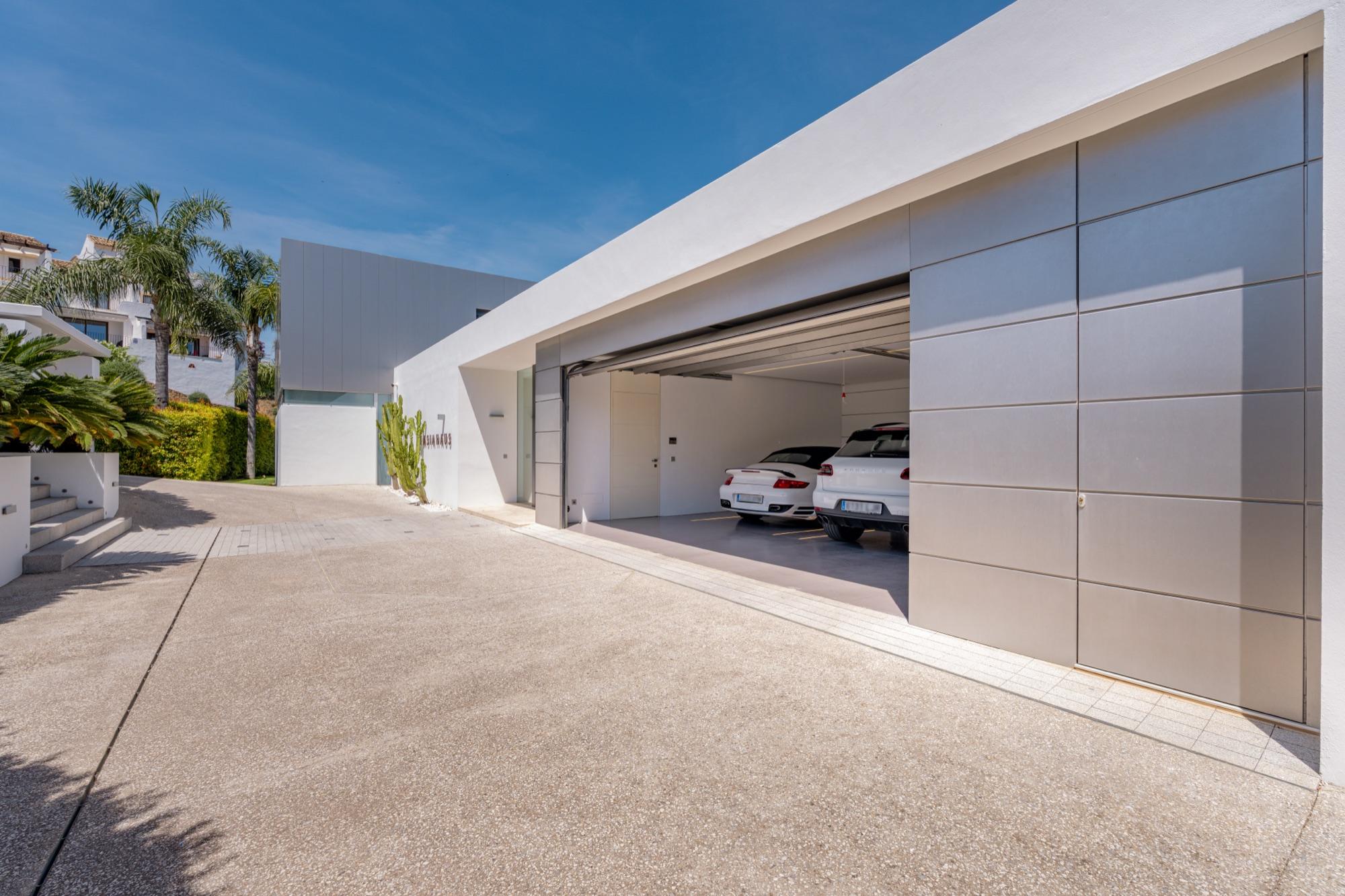
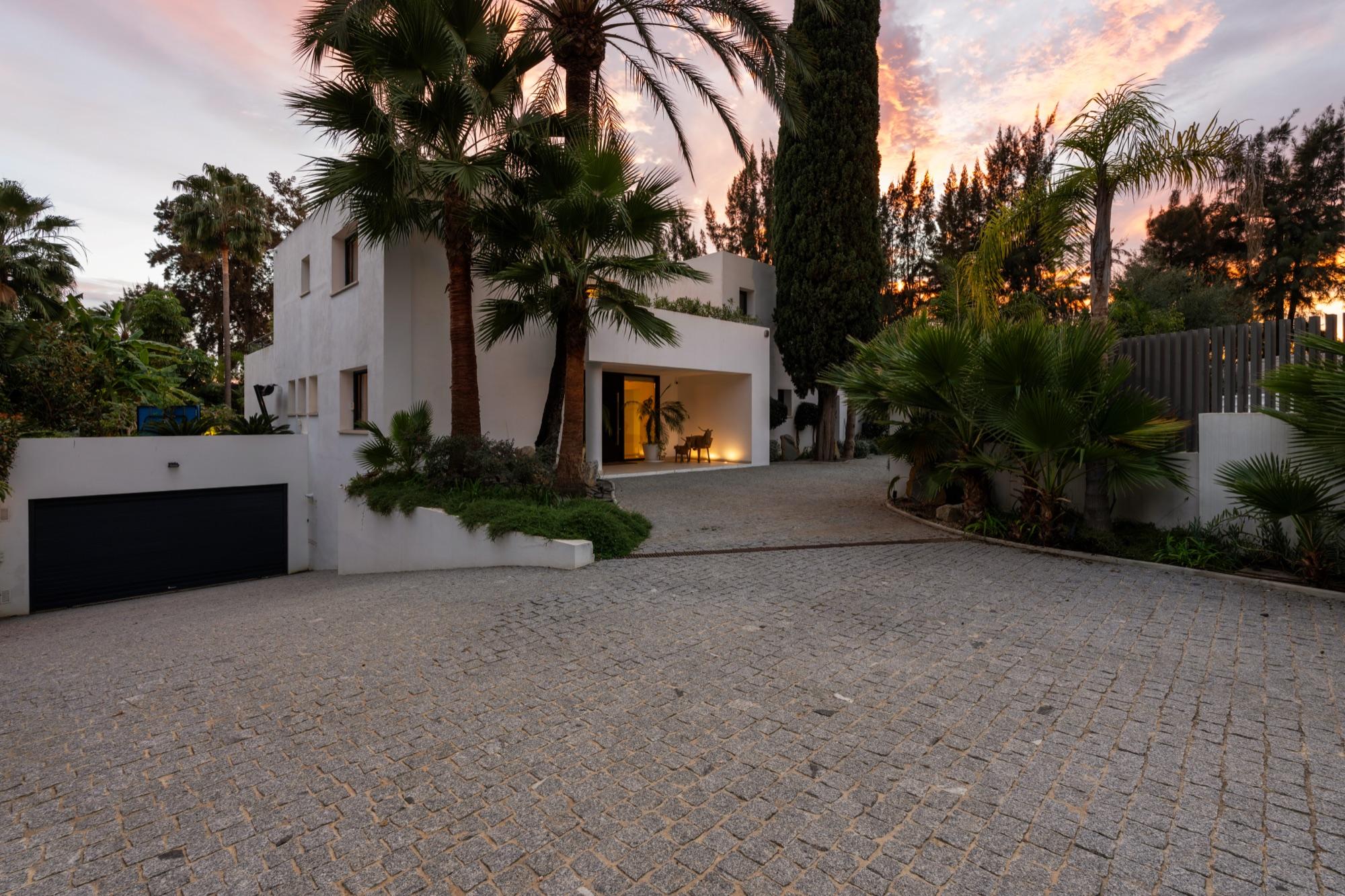
A property that photographs as the asset it is reaches more buyers and holds its price through the negotiation. That means real photography in the right light, staging that lets the space speak, an honest and legible floor plan, and a description written for the buyer who can afford it, not for an algorithm.
| What | Why it matters | Typical effect |
|---|---|---|
| Professional photography | First and often only impression online | More enquiries, better buyers |
| Light staging | Lets buyers read the space, not the clutter | Faster sale, firmer price |
| Honest floor plan | Buyers and their advisors trust it | Fewer renegotiations |
| Targeted reach | The right buyers, not the most buyers | A cleaner, quieter process |
One mandate, handled properly
A property listed everywhere, at slightly different prices, by agents who have never seen it, looks tired before anyone has viewed it. An exclusive mandate, given to someone who actually represents the property, keeps the price consistent, the story controlled, and the marketing coherent. It is the difference between being everywhere and being well placed.
That does not mean fewer buyers. The reach is wider, because the property is presented once, properly, to a network rather than scattered across portals at war with each other.
The seller's costs and taxes
Selling has its own line items, and they are easy to forget when you are focused on the price. Plan for them before you accept an offer, so the net figure is the one you actually expected.
- Plusvalía
- A municipal tax on the increase in the land value since you bought. Paid by the seller, calculated by the town hall.
- Capital gains tax
- Tax on the profit between your purchase and your sale, after allowable costs. The rate and reliefs depend on your residency.
- Non-resident retention (3%)
- If you are a non-resident, the buyer withholds 3 percent of the price and pays it to the tax office against your capital gains. You reclaim any excess afterwards.
- Energy certificate
- A current energy performance certificate is required to market and sell. Inexpensive, but needed before you list.
Your lawyer confirms the exact figures for your case. We make sure they are in the plan before you commit to a price, not discovered after.
What selling with an architect changes
Most sellers are advised by someone who lists. We sell the way we buy: we read the property technically, price it where the market can defend it, prepare and present it as an asset, and place it with the buyers who will pay for it. The result is usually a cleaner process, a firmer price, and far fewer surprises in the due diligence that every serious buyer now runs.
Common questions
Should I renovate before selling, or sell as is?
It depends on the property and the buyer. Cosmetic work that lets a property show at its best often returns more than its cost. Structural or full renovations rarely do, because the buyer wants to make those choices themselves. We read the property first and tell you honestly which side of that line each item falls on.
How long does it take to sell on the Costa del Sol?
A well-priced, well-presented property in a sought-after area can sell in weeks. One that is mispriced can sit for many months and then sell only after public discounts. Price and presentation, not luck, decide which it is.
Exclusive mandate, or list with several agents?
An exclusive mandate handled by someone who represents the property properly almost always serves the seller better. It keeps the price consistent, the marketing coherent, and the story intact, and through a network it reaches more of the right buyers, not fewer.
What does it cost to sell, beyond the agency fee?
Plan for plusvalía, capital gains tax, and, if you are a non-resident, the 3 percent retention withheld at completion. You will also need a current energy certificate. Your lawyer confirms the exact numbers; we make sure they are in the plan before you set a price.
Related