Blog/Design
9 December 2025 · 5 min read
Reading window-to-wall ratio before signing
A glass house looks expansive in a May viewing. We sit with a thermal model and a shading sketch before we tell a client to fall in love with one.

Carlos
Architect and Founder, DIEZ
What the ratio actually measures
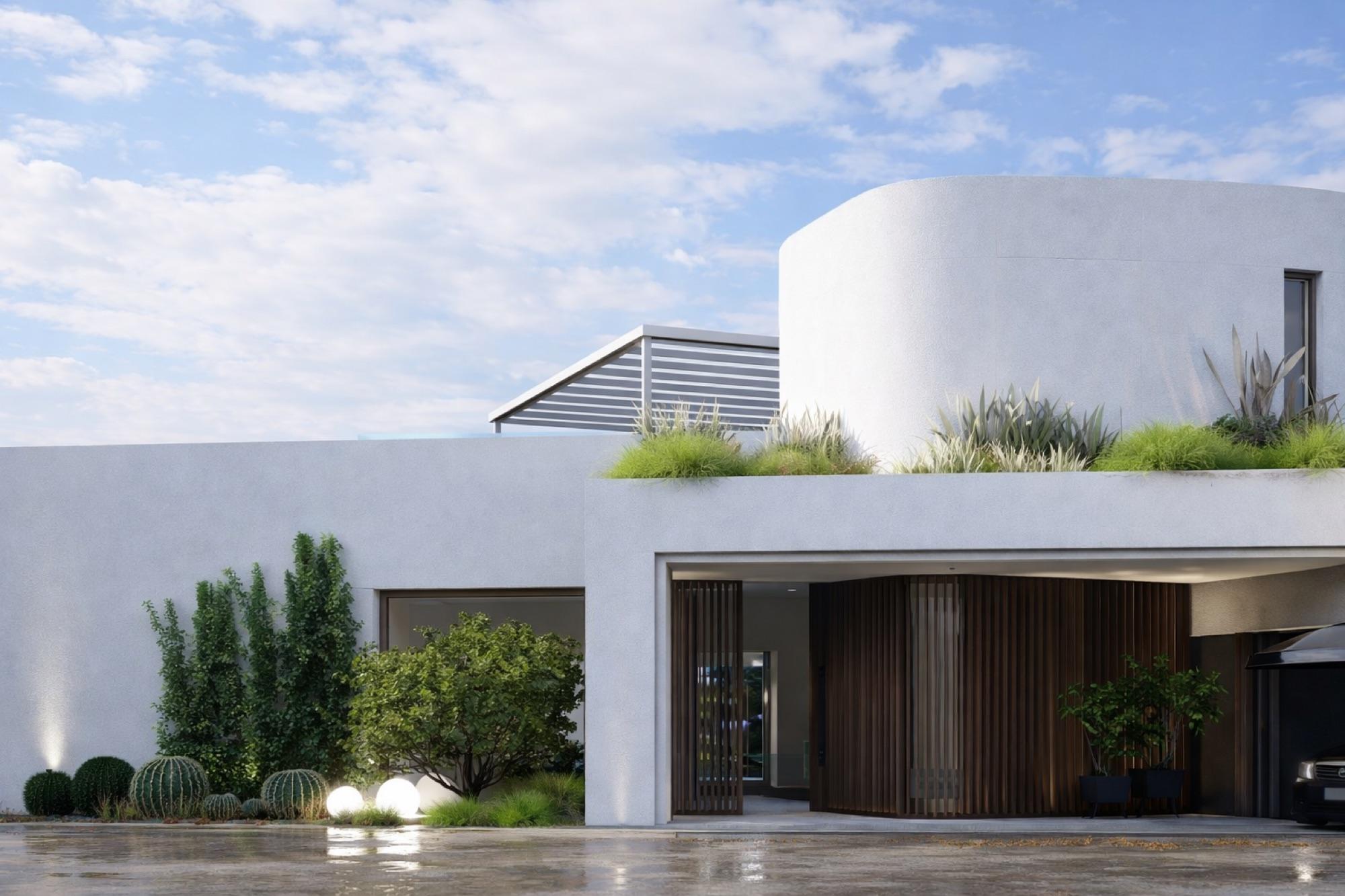
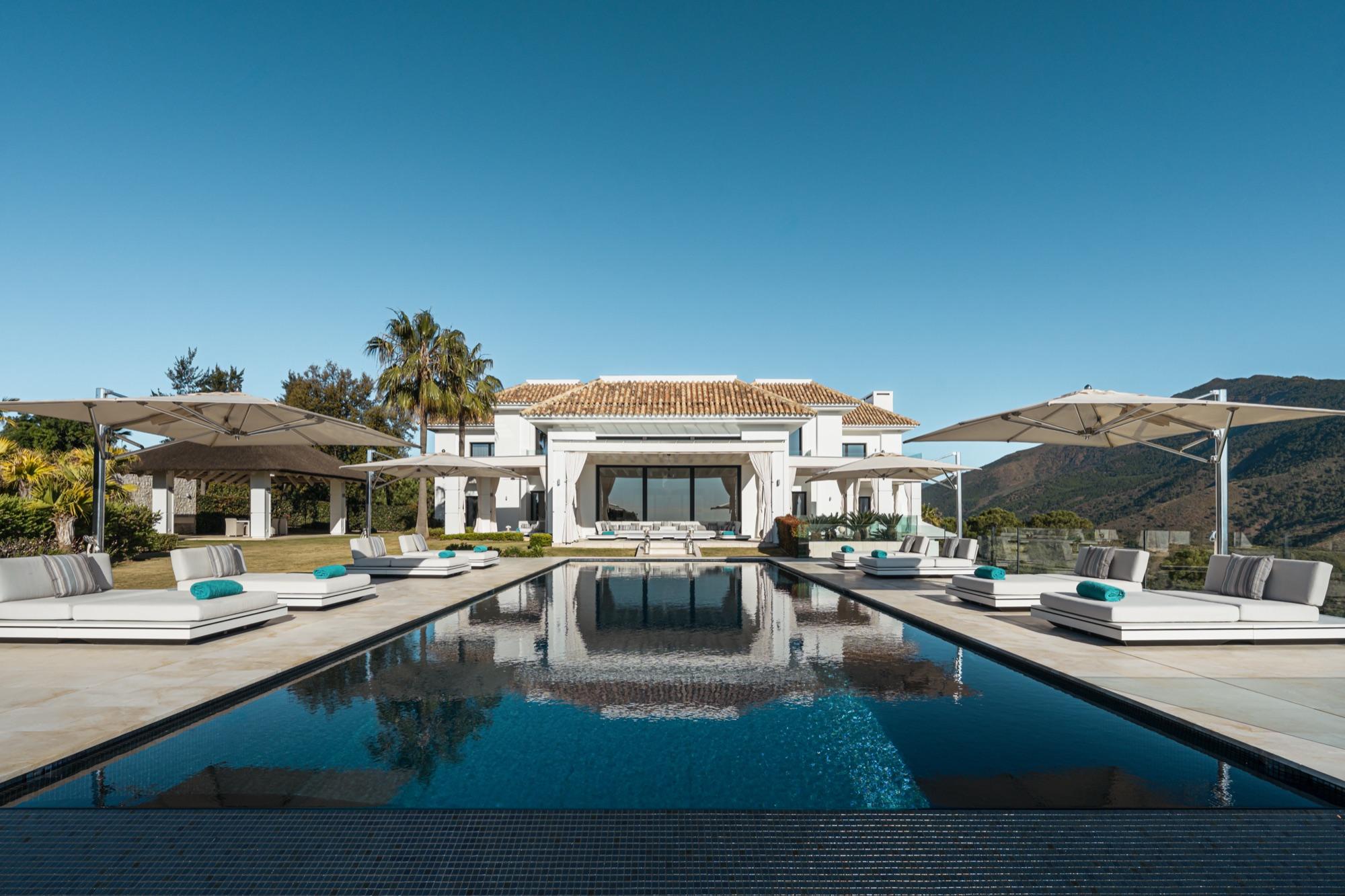
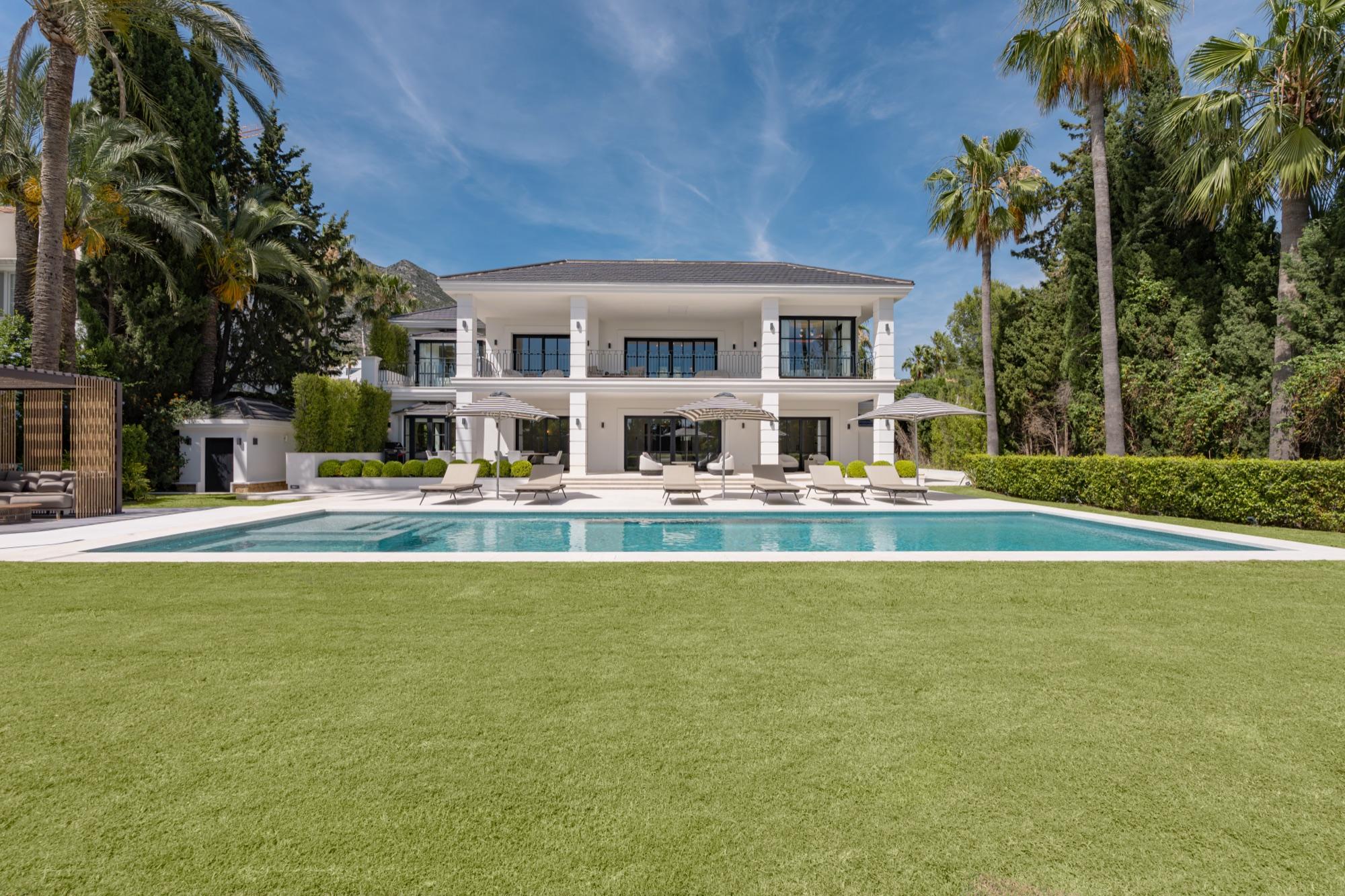
Window-to-wall ratio, often shortened to WWR, is the proportion of a facade that is glazed rather than solid. A wall that reads as mostly glass might sit at sixty or seventy per cent; a more conventional elevation sits closer to thirty. On the Costa del Sol it is the headline feature of almost every contemporary villa, sold as light, view, and openness.
The figure on its own is neutral. The same ratio can produce a calm, even-tempered room or one that overheats by early afternoon and needs blinds drawn for half the year. What separates the two is not the quantity of glass but how that glass is oriented, shaded, and specified. A high ratio is a question, not an answer.
More glass is not more light. It is more of whatever the orientation and shading decide to let through.
This matters because the glass is the part of the building you cannot quietly fix later. You can change a kitchen or a floor finish. Reworking a structural span of glazing, adding external shading, or reorienting a room is a far heavier intervention, and one most buyers never make. The comfort you inherit on completion is largely the comfort you keep.
Orientation and the clock
Glass behaves entirely differently depending on the direction it faces, and the difference is governed by where the sun sits through the day. North glass brings steady, soft light with little direct gain and is the easiest to live with. South glass receives the most sun overall, but at a high angle, which means a modest horizontal overhang can shade it through summer while still admitting low winter sun.
The harder directions are east and, above all, west. East glass takes the morning sun low and direct; west glass takes the afternoon and evening sun at the same low angle, at the hottest part of the day, when the building has already absorbed hours of heat. A low sun slides under most overhangs, so eaves that tame a south elevation do little for a west one. A west-facing wall of glass is the most common comfort problem in coastal villas, and the easiest to overlook at a morning viewing.
- North glass: even, low-gain light; comfortable but flatter views.
- South glass: highest annual sun, high summer angle, well managed by horizontal shading.
- East glass: direct low morning sun; warms rooms used at breakfast.
- West glass: low afternoon and evening sun, peak heat, hardest to shade with eaves alone.
Reading the shading and the spec
Once you know which way the glass faces, look at what protects it. Eave depth is the first thing to read: a generous roof overhang or a recessed terrace can shade summer sun off south glass while leaving the view open. Then look for external shading such as brise-soleil, fixed louvres, deep reveals, or planting and pergolas that block sun before it reaches the glass. External shading is far more effective than internal blinds, which stop the heat only after it is already inside.
The glass itself carries a specification that most listings never mention. Double or triple glazing, a low-e coating, and the solar factor, often written as a g-value, all decide how much heat passes through. A low g-value means the glass rejects a larger share of solar heat. Ask the agent or developer for the glazing spec sheet; on a serious contemporary villa it should exist, and a reluctance to produce it is itself informative.
| Element | What to check | Why it matters |
|---|---|---|
| Orientation of main glass | Which compass direction the largest spans face | West and low-east glass drive the most heat gain and glare at peak hours |
| Eave and overhang depth | How far the roof or terrace projects over the glass | Deep overhangs shade high summer sun while admitting low winter sun |
| External shading | Brise-soleil, louvres, reveals, pergolas, planting | Stops heat before the glass; far more effective than internal blinds |
| Glass specification | Low-e coating, g-value or solar factor, double or triple glazing | Determines how much solar heat and glare the glass itself rejects |
| Room use by time of day | When each glazed room is actually lived in | A west living room used at sunset is exposed exactly when the gain peaks |
| Cross-ventilation | Whether openings on opposite sides let air move through | Allows the house to shed heat without leaning only on cooling |
Viewing the house with this in mind
The most useful thing a buyer can do is control the timing of the visit. A west-facing villa shown at ten in the morning is showing you its best hour. Ask to return in mid to late afternoon in warm weather, stand in the main glazed rooms, and notice whether the space is comfortable without the air conditioning running hard or every blind lowered.
- 1Identify the orientation of the largest glazed spans before you arrive, using a map or compass.
- 2Visit the principal rooms at the hottest part of the day, not only the morning.
- 3Check eave depth and look for external shading over south and west glass.
- 4Request the glazing specification, including g-value and coating.
- 5Ask how the cooling system copes in July and August, and what the bills look like.
None of this argues against a glass villa. A high window-to-wall ratio, designed with the right orientation and properly shaded, is one of the real pleasures of building on this coast. The point is to separate glass that has been designed for the climate from glass that has been sold on the photograph. The questions above tell you which one you are standing in.
- Window-to-wall ratio (WWR)
- The proportion of a facade that is glazed rather than solid, usually expressed as a percentage.
- g-value (solar factor)
- The share of solar heat that passes through a glazed unit. A lower g-value means more heat is rejected.
- Low-e coating
- A thin coating on glass that reduces heat transfer while letting visible light through.
- Brise-soleil
- An external array of fixed fins or louvres that shades glass from direct sun before the heat reaches it.
- Eave overhang
- The distance a roof or terrace projects beyond the wall, shading the glass below from high summer sun.
Common questions
Is a villa with a lot of glass always going to be hot and expensive to cool?
Not necessarily. A high window-to-wall ratio can be very comfortable when the glass faces a manageable direction, sits under deep eaves or external shading, and is specified with a low solar factor. The cost and comfort come from how the glass is handled, not from the quantity alone. The problem cases are large west or low-east spans with little shading and basic glazing.
Which orientation should I be most cautious about?
West, and to a lesser degree east at a low angle. West glass takes the afternoon and evening sun when the day and the building are already at their hottest, and that low sun slides under most eaves. If the main living room is a west-facing wall of glass, view it late in the afternoon in warm weather before deciding.
Can I just add blinds or shading after I buy?
Internal blinds help with glare but do little for heat, because they stop the sun only after it has passed through the glass. Effective external shading such as brise-soleil or louvres can sometimes be retrofitted, but it changes the appearance of the facade and is a real project. It is far better to buy a house where the shading is already designed in.
What single document should I ask for?
The glazing specification sheet, which should state the glass build-up, any low-e coating, and the g-value or solar factor. On a serious contemporary villa this exists, and it tells you how much solar heat the glass rejects. If the seller cannot or will not produce it, treat that as part of your answer.
Related