11 min read
Renovating in Marbella: a budget primer
A renovation can turn a good-value purchase into the right home, or quietly double your budget. Here are realistic ranges and the licences that govern the work.

Carlos
Architect and Founder, DIEZ
Three kinds of work, not one
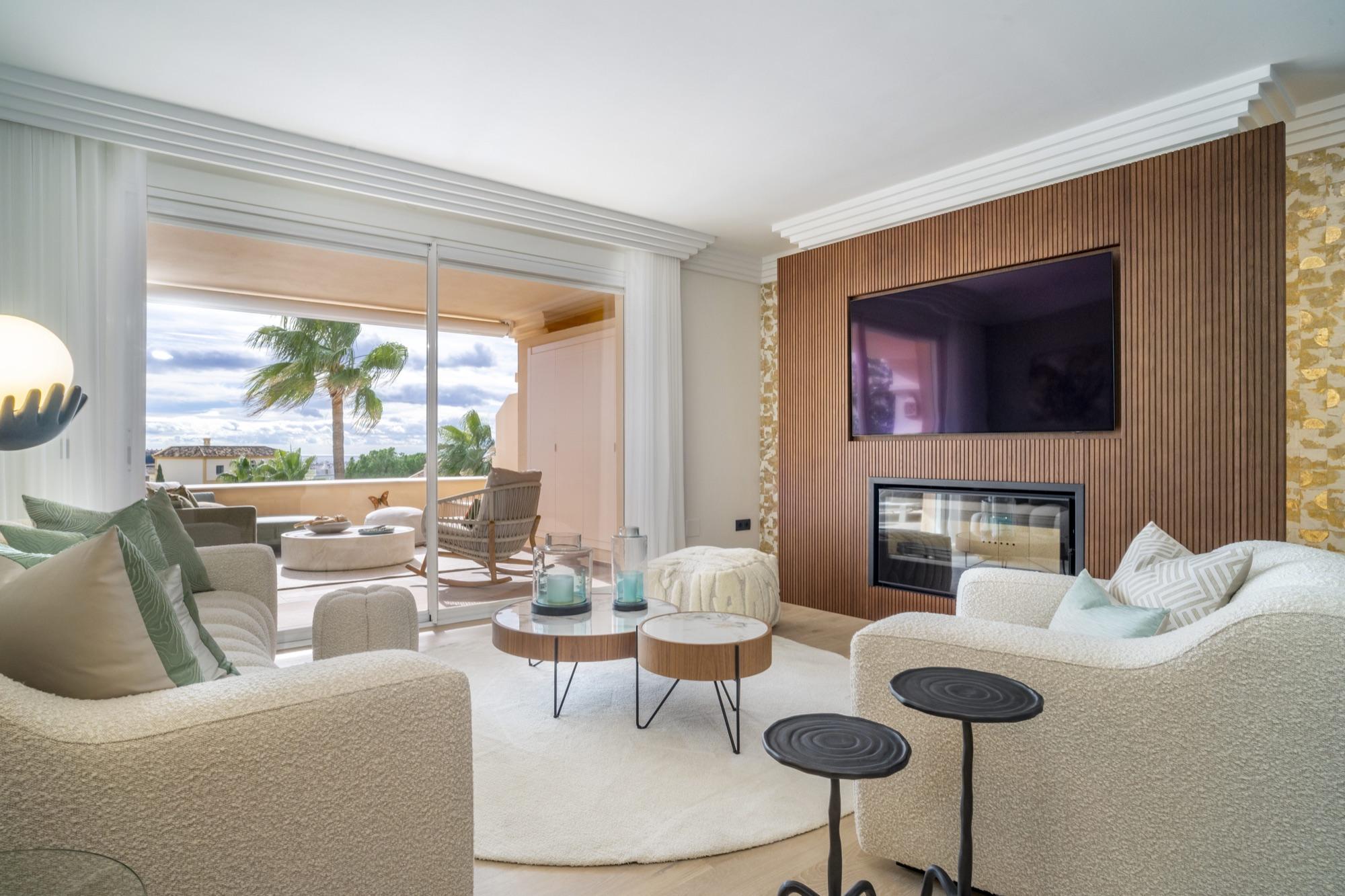
Renovation is a single word for three very different projects, and the difference decides the budget, the licence, and the months you will lose. The first is cosmetic: new finishes, kitchens and bathrooms, flooring, lighting, paint, with the layout left where it is. The second is full reconfiguration: moving non-structural walls, replacing services, reworking the interior so the house lives differently while the shell stays put. The third is structural or extension: touching load-bearing elements, the roof, the footprint, or the volume of the building.
The jump in cost and time between these is not gradual. A cosmetic refresh is a finishing exercise. A reconfiguration is a building site with the structure left intact. Structural work and extensions are, in planning terms, close to new construction, and they are governed accordingly. Knowing which of the three a property actually needs is the first honest number in any renovation budget.
The most expensive renovation is the one that starts as cosmetic and turns out to be structural.
The licence is the real gate
In Spain, work is split between a minor works licence (licencia de obra menor) and a major works licence (licencia de obra mayor), and the line between them matters more than most buyers expect. Minor works covers non-structural changes that do not alter the layout in a meaningful way, the footprint, or the facade: finishes, fittings, and like-for-like replacement. It is the lighter route, often handled by a responsible declaration or a short application, and it clears in weeks rather than months.
Major works is required the moment you touch structure, increase the built area, change the volume or the roofline, or alter the facade. It needs a technical project drawn by an architect, sign-off from the college of architects, and approval from the town hall, with the relevant taxes and fees paid. On the Costa del Sol, and in Marbella in particular, that approval commonly takes three to six months, and can run longer where the property sits in a protected zone, near the coast, or on a plot with planning history that needs clearing first.
Where buyers get caught
- Assuming a wall is non-structural. Removing it without confirmation can turn a minor works job into an enforcement problem.
- Counting on a quick licence in a protected or coastal setback zone, where extra consents apply and timelines extend.
- Buying a property with unpermitted prior works (an enclosed terrace, an added room) that must be regularised before, or as part of, the new licence.
- Treating the licence period as dead time. Design, tender, and procurement should run in parallel so work can start the week approval lands.
Rough costs and timelines
The figures below are working ranges for quality renovation in the Marbella and Costa del Sol market, expressed per square metre of the area being worked on. They exclude furniture, swimming pools, landscaping, and professional fees, which typically add another 10 to 15 percent for design and project management. Treat them as a way to sense-check a property before you exchange, not as a quote. Specification moves the number more than anything else: the same reconfiguration can sit at the bottom or the top of its band depending on the kitchen, the joinery, and the level of the bathrooms.
| Type of work | Licence | Rough cost per m2 | Timeline |
|---|---|---|---|
| Cosmetic refresh (finishes, kitchen, bathrooms, no layout change) | Minor works (obra menor) | 600 to 1,200 | 6 to 12 weeks on site, licence in weeks |
| Full interior reconfiguration (non-structural walls, services, full re-fit) | Minor or major, depending on scope | 1,200 to 2,500 | 4 to 8 months on site |
| Structural work or extension (load-bearing changes, added volume, roof) | Major works (obra mayor) | 2,500 to 4,000+ | 9 to 18 months including licence |
Two practical notes. Higher specification at the villa end, with imported stone, bespoke joinery, full home automation, and spa-level bathrooms, can carry the top band well past 4,000 per square metre, so the figures above are a floor for that work, not a ceiling. And the licence period sits inside the structural timeline above; if a builder quotes nine months and the major works licence has not yet been applied for, the honest figure is nine months plus the wait.
Reading renovation cost before you buy
The point of these numbers is to use them before you exchange, when they can still change the price you pay. A tired but structurally sound house bought at the right discount, then refreshed cosmetically, often beats a freshly flipped one at full price. The danger is the opposite case: a property that looks like a cosmetic job but needs services renewed, walls moved, or structure touched, where the works bill quietly doubles and the timeline triples.
- 1Establish which of the three categories the work falls into, with an architect walking the property, not a guess from photographs.
- 2Multiply the area to be worked on by the relevant band, then add 10 to 15 percent for fees and a contingency for what opens up once walls come down.
- 3Add the licence and build timeline to your own occupancy plans. A property you cannot use for eighteen months is a different purchase from one you can refresh over a summer.
- 4Fold the total, in money and in time, back into the offer. Renovation cost is part of the price of the house, not a separate decision taken later.
Read this way, the renovation is not a leap of faith taken after completion. It is a number you carry into the negotiation, and often the number that decides whether a property is worth pursuing at all.
- Obra menor
- Minor works licence. Covers non-structural changes that do not alter layout in a meaningful way, footprint, or facade. The faster route, cleared in weeks.
- Obra mayor
- Major works licence. Required for structural changes, added built area, changes to volume or facade. Needs an architect's project and council approval, commonly three to six months or more.
- Responsible declaration
- A declaration filed with the town hall for certain minor works, allowing work to begin without waiting for a full licence to be granted, subject to later checks.
- Regularisation
- The process of bringing previously unpermitted works on a property into legal order, often a precondition for a new licence and for a clean sale.
- Built area
- The constructed surface in square metres. The base against which per square metre renovation costs are calculated; confirm whether terraces are included.
Common questions
Can I start renovating as soon as I get the keys?
For cosmetic work under a minor works licence, often within weeks of applying, and in some cases under a responsible declaration you can begin sooner. For anything structural or any extension, no. You need a major works licence first, which requires an architect's project and council approval, commonly three to six months on the Costa del Sol. Starting structural work without it risks fines and an order to undo the work.
How do I tell whether a wall is structural before I buy?
You do not tell from looking; you have an architect or surveyor assess it, ideally during the buying process rather than after. Whether key walls are load-bearing decides whether your reconfiguration is minor or major works, and that single fact can move the budget and timeline into a different bracket. We treat this as a survey item, not a question to settle on site once the project is underway.
Is it cheaper to renovate or to buy something already finished?
It depends on the discount and the scope. A sound house bought below the finished-product price and refreshed cosmetically usually comes out ahead. A house needing structural work, services renewal, or regularisation of past works rarely does, because the bill and the timeline both run well beyond the first estimate. The decision should be made on a costed renovation figure carried into the offer, not on a hope.
What does the licence process actually add to my timeline?
For minor works, weeks. For major works, the application, the architect's project, and the town hall's review typically add three to six months before any building begins, and longer in protected or coastal zones. The right move is to run design, tendering, and procurement in parallel with the licence wait, so the site starts the week approval is granted rather than weeks after.
Related